Top Storage Units Near Grahame Park Estate (NW9)
Posted on 14/05/2026
Top Storage Units Near Grahame Park Estate (NW9): A Practical Local Guide to Choosing the Right Space
If you live in or around Grahame Park Estate and you suddenly need a bit more breathing room, you are not alone. Storage can solve a lot of everyday headaches: a move that is running late, a flat that feels too small, furniture you are not ready to part with, or a bulky item that simply cannot stay in the hallway any longer. The best Top Storage Units Near Grahame Park Estate (NW9) are not just somewhere to dump boxes. They should be secure, easy to access, sensibly priced, and suited to what you are actually storing.
This guide breaks down how storage works, what to look for, where the hidden pitfalls are, and when it makes sense to use storage as part of a move, declutter, or longer-term plan. It is written for real life, not brochure life. Because let's face it, most of us do not need "storage" in the abstract. We need a workable answer for the sofa, the mattress, the paperwork, the freezer, or the entire flat while the timing sorts itself out.
Whether you are comparing short-term storage for a few weeks or a more stable arrangement for several months, the right decision usually comes down to access, security, condition, and how much help you need getting items in and out. And if you are already planning a move, you may also find our guides on making a house move feel calmer and packing more efficiently useful alongside this article.
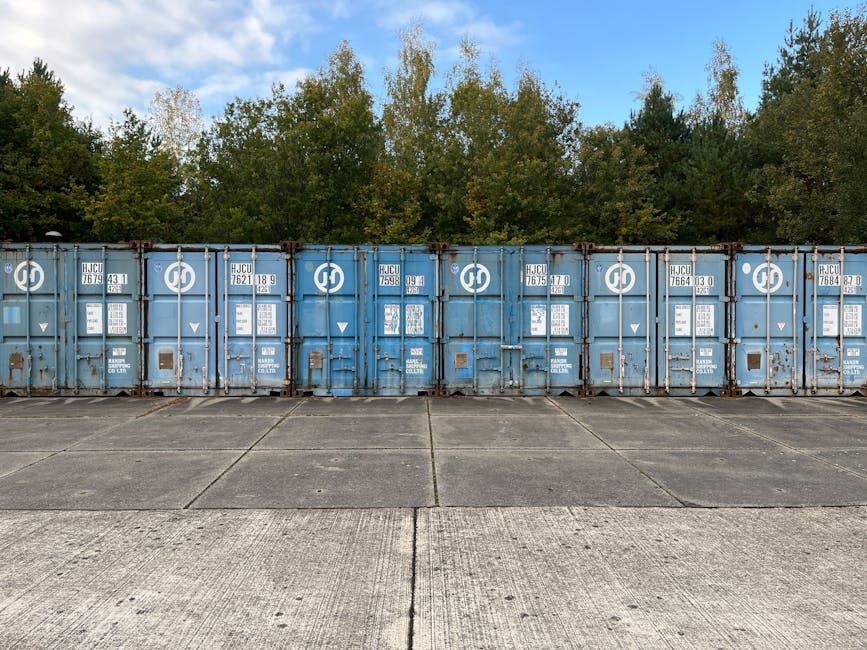
Why Top Storage Units Near Grahame Park Estate (NW9) Matters
Storage matters because space is not just a luxury in London; sometimes it is the difference between a smooth week and a chaotic one. In NW9, many households are dealing with flats, shared homes, family homes with limited spare rooms, and move dates that never quite line up neatly. A good storage solution gives you flexibility when the rest of the plan is wobbling a little.
There are a few common local reasons people search for storage near Grahame Park Estate. A lease end date may not match the day your new place is ready. You may be furnishing a property gradually. A student may need somewhere for boxes between terms. A tradesperson or small business owner might need to store tools or archived stock. Truth be told, some people simply want their home to feel lighter again.
It also helps when you are dealing with larger items that do not fit into everyday life. A sofa in a corridor, a mattress leaning against a wall, or a piano that needs careful handling is not just inconvenient; it can create safety issues and damage risk. If that sounds familiar, our guides on storing a sofa properly and moving a bed and mattress safely are worth a look.
For Grahame Park Estate residents, the key is not simply finding "a unit". It is finding a storage arrangement that fits your routine, your budget, and the kind of items you need to keep safe. That difference is what separates a useful service from an annoying monthly expense.
How Top Storage Units Near Grahame Park Estate (NW9) Works
Most storage units follow a simple model. You choose a unit size, book it for a period of time, move your belongings in, and then access them when needed. The detail, of course, is where things get interesting. Storage providers may differ in access hours, security arrangements, payment terms, insurance expectations, and whether they offer help with transport.
Some storage options are self-storage, where you hold the key or access code and visit the unit yourself. Others are more assisted, where items are collected, stored, and returned when requested. There are also short-term solutions for moving dates and longer-term options for overflow, business stock, or seasonal items. If you are comparing services, it can help to review a provider's broader offer too, such as storage support in Grahame Park and related removal services in the local area.
In practice, the process usually looks like this:
- You estimate how much space you need, based on boxes, furniture, or equipment.
- You ask about access times, security, and whether the site is indoor, outdoor, or mixed.
- You decide whether you need help with collection, loading, or unloading.
- You confirm how long you are likely to store items and what happens if that changes.
- You move items in, label everything carefully, and keep a simple inventory.
The simple bit is the unit itself. The tricky bit is planning around it well. A last-minute dash to storage on a wet Friday evening is rarely anyone's favourite memory. A slightly more organised approach tends to win, every time.
Key Benefits and Practical Advantages
The strongest reason to use storage is straightforward: it buys you time and space without forcing a permanent decision. That flexibility can be a big relief when life is busy or unpredictable.
Here are the main advantages people tend to value most:
- Less pressure during a move - especially if completion dates, tenancy dates, or renovation work do not line up neatly.
- Better protection for belongings - a proper unit is usually safer than stacking items in a damp garage, hallway, or shared space.
- More usable living space - freeing up a room or corner can make a flat feel calmer straight away.
- Helpful for seasonal items - think Christmas decorations, winter clothes, outdoor furniture, or hobby equipment.
- Good for businesses and freelancers - documents, samples, tools, and stock can stay organised without taking over your home.
- Useful for careful staging - if you are preparing a property to rent or sell, clearing space can make a big difference.
There is also an emotional benefit people underestimate. A less cluttered home often feels easier to manage. You notice the difference at 7:30 in the morning when you are looking for keys, or late at night when you want a room to feel restful rather than crowded. Small thing, maybe. But very real.
If you are trying to reduce household clutter before moving, our article on decluttering for a cleaner move can help you decide what stays with you and what goes into storage.
Who This Is For and When It Makes Sense
Storage is not only for people between homes. It suits a broad mix of everyday situations, and that is part of why it is so useful around Grahame Park Estate.
Home movers and renters
If you are moving house or flat and the timings are awkward, storage gives you a buffer. It helps if you are downsizing, waiting on a refurbishment, or moving into a smaller place temporarily. For flat dwellers, in particular, every bit of room counts, which is why flat removals in Grahame Park often pair naturally with storage.
Families making room at home
Families often use storage for prams, sports gear, baby items, seasonal furniture, or inherited belongings that need a decision later. That "later" can last quite a while, to be fair.
Students and sharers
If you are between terms, changing accommodation, or sharing a tight space with others, storage can be a sensible stopgap. Our student removals support is particularly relevant when the move is quick and the window is small.
Businesses and self-employed professionals
Office equipment, archive boxes, trade tools, promotional materials, and spare stock all need somewhere reliable. Storage can keep a home office from becoming unmanageable, and can support a small business that does not yet need a dedicated warehouse. If that is your situation, office removals in Grahame Park may be a useful related service.
People with bulky or delicate items
Pianos, large sofas, freezers, mattresses, and heavy furniture often need careful handling and the right conditions. If you are storing anything awkward, it helps to think beyond square footage. Access, wrapping, lifting, and positioning matter just as much. Our local guides on piano moving and safe solo heavy lifting explain why.
Step-by-Step Guidance
If you want a storage decision that actually works in daily life, follow a simple process. Rushing this bit is where people end up paying for too much space, or choosing a unit that is awkward to use.
- List what you need to store
Write down every item category: boxes, furniture, appliances, seasonal goods, business items, or fragile belongings. A rough list is better than guessing. - Sort by urgency
Separate items you need often from items you will barely touch. The less frequently used items should go deeper into storage. - Measure the awkward pieces
Sofas, beds, wardrobes, mirrors, and large equipment can distort your estimate. A tape measure is boring but incredibly useful. - Choose the right unit type
Decide whether you need short-term, long-term, self-access, or assisted storage. Think about whether you will visit regularly. - Check access and loading
Ask how easy it is to unload from a vehicle, whether there is parking, and whether trolleys or lifts are available. These small things save your back and your patience. - Pack properly before moving items in
Use strong boxes, label by room, protect corners, and wrap furniture. If you need supplies, our packing and boxes service in Grahame Park is a practical place to start. - Create a basic inventory
A phone note or spreadsheet is enough. Record the box number and what is inside. Future-you will be grateful. - Position items logically
Put bulky, durable items at the back or bottom, and keep anything you may need soon near the front. - Review the arrangement after a week or two
If you cannot reach something important without unpacking half the unit, it needs reorganising. Small adjustment, big difference.
One quick rule of thumb: if you are storing items as part of a move, think in terms of "easy first access" and "longer-term backup". That mindset makes everything easier.
Expert Tips for Better Results
A good storage setup is part planning, part packaging, and part common sense. Here are a few practical tips that help more than people expect.
- Use uniform box sizes where possible. Stackable boxes are easier to manage and less likely to collapse.
- Keep a small aisle. Even a narrow walkway can save time later when you need one item from the back.
- Protect furniture properly. Use covers, blankets, or breathable wrapping. This matters especially for upholstered items. If you want more detail, see our sofa storage advice.
- Don't store damp items. A towel that is still a bit wet can cause smells, and nobody wants that surprise after a few weeks.
- Label on multiple sides. A label on top is fine until boxes are stacked. Then it disappears. Classic.
- Keep documents and valuables separate. Important paperwork, passports, and small valuables are usually better kept with you.
- Think about temperature and ventilation. Some items are fine in ordinary storage; others need a more careful environment. Freezers, for example, need proper preparation before being stored unused, which is covered in our freezer storage guide.
If you are moving heavier items into storage, do not try to act heroic for the sake of it. A bad lift can ruin an entire day. The practical approach, and the safer one, is to get help for anything awkward. Our guide to kinetic lifting explains the thinking behind safer handling.
Expert summary: The best storage choice is rarely the cheapest one on paper. It is the option that gives you the right access, the right protection, and the least friction when you need your items back. If retrieving your things feels like a half-day mission, the storage choice is probably wrong.
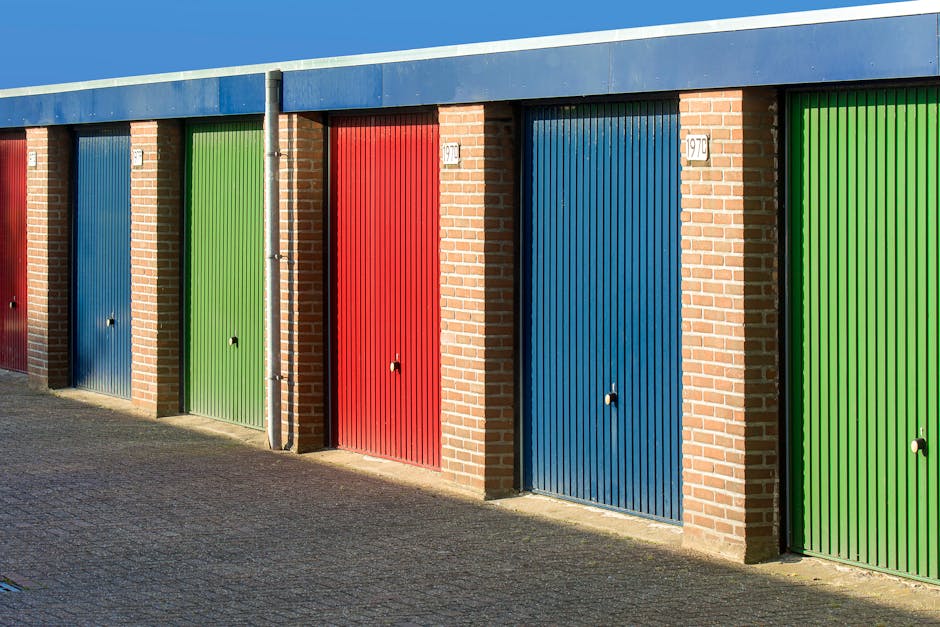
Common Mistakes to Avoid
Storage problems are usually not dramatic. They are annoying little things that build up. The box you cannot reach. The unit that is too small. The furniture that was wrapped in a hurry and now has scuffs. Little details, big consequences.
Overestimating or underestimating space
Too much space wastes money. Too little space creates stress and damage risk. The safest move is to estimate carefully and ask for sizing help if needed.
Storing things without a plan
If everything goes in "somewhere" on day one, it is much harder to find anything later. That is when people start muttering under their breath in a unit with a torch in hand. Not ideal.
Skipping protection for furniture
Dust, scratches, and compression damage are all preventable. Sofas, tables, and bed frames should be packed with care, not just shoved into place.
Forgetting about access frequency
If you need something every fortnight, it should not be buried behind six wardrobes and a stack of odd boxes.
Mixing sentimental and disposable items
It is often a mistake to store everything together without sorting. If an item can be sold, donated, recycled, or handed on, decide that early. Our recycling and sustainability page is a useful reminder to think responsibly about the stuff you no longer need.
Using storage as a permanent hiding place
Sometimes storage becomes a "we'll decide later" zone that quietly gets expensive. If the box has not been opened in a year, ask whether you still need it.
Tools, Resources and Recommendations
You do not need specialist kit to use storage well, but a few basics make life much easier.
| Tool or Resource | Why It Helps | Best Use |
|---|---|---|
| Strong double-walled boxes | Better stacking and less crushing | Books, kitchenware, mixed household items |
| Bubble wrap or furniture blankets | Protects against scuffs and impact | Mirrors, frames, tables, sofas |
| Labelling tape and marker pens | Keeps contents easy to identify | Every box, no exceptions |
| Inventory list on phone or spreadsheet | Saves time when retrieving items | Short-term and long-term storage |
| Trolley or sack truck | Reduces heavy carrying | Boxes, appliances, bulkier loads |
| Removal support | Useful for awkward or heavy items | Furniture, pianos, flat moves, same-day jobs |
If you are moving items into storage from a flat or house, it may be worth pairing storage with the right vehicle and lifting help. Our local pages on man with a van in Grahame Park, man and van services, and a suitable removal van can help with that part of the job.
For more complex moves, especially where furniture or fragile items are involved, a broader service can be the easier route. See also furniture removals in Grahame Park and our general removals service if you want a joined-up approach.
Law, Compliance, Standards, or Best Practice
Storage itself is not usually complicated from a legal standpoint, but there are sensible standards and responsibilities worth keeping in mind. The exact terms will depend on the provider, so always read the contract carefully before you commit.
Here are the main best-practice points to consider:
- Insurance: Check what is covered by the storage provider and what remains your responsibility. Do not assume everything is automatically protected.
- Prohibited items: Most storage services restrict hazardous, illegal, flammable, perishable, or unsafe goods. This is common sense as much as policy.
- Fire and safety rules: Units and storage buildings usually have site rules for safe loading, access, and emergency arrangements. Follow them.
- Data and privacy: If you are storing documents for a business, consider who can access them and how they are secured. Our privacy policy and payment and security pages reflect the kind of care reputable providers should take.
- Contract clarity: Know the notice period, payment schedule, access rules, and any extra charges for late payment or extended use.
In the UK, best practice is also about duty of care. If you are moving and storing items through a removals provider, it is sensible to check their health and safety policy and insurance and safety information. That is not overcautious. It is just sensible housekeeping, really.
If you have questions about service terms, you may also want to review terms and conditions and, for the company background, about us. A bit of reading now can spare a lot of irritation later.
Options, Methods, or Comparison Table
There is no single "best" storage setup for everyone. The right option depends on how often you need access, what you are storing, and whether you need help moving items in the first place.
| Storage Option | Best For | Pros | Trade-offs |
|---|---|---|---|
| Self-storage | Regular access, personal control | Flexible, familiar, easy to manage | You handle transport and loading yourself |
| Assisted storage | Busy households or heavier items | Less lifting, less hassle, often more convenient | May cost more depending on service level |
| Short-term storage | Move delays, decorating, temporary overflow | Simple stopgap solution | Can become expensive if extended too long |
| Long-term storage | Seasonal items, business stock, surplus furniture | Stable and predictable | Requires organised packing and clear inventory |
A practical way to choose is to ask one question: how likely am I to need access, and how soon? If the answer is "quite often", convenience matters more than rock-bottom cost. If the answer is "rarely", then secure and well-organised storage may be the priority.
Case Study or Real-World Example
Here's a realistic local scenario. A couple in Grahame Park Estate were moving from a two-bedroom flat into a smaller place while work on the new home was being finished off. Completion dates moved by ten days, then a week, then another small delay. Not dramatic, but enough to create stress. The furniture had already been boxed, the sofa needed somewhere safe, and the mattress could not simply be left with family indefinitely.
Instead of cramming everything into a hallway or paying for an emergency weekend solution, they split the problem in two. The essentials stayed with them. Larger furniture and sealed boxes went into storage. The sofa was wrapped properly, the mattress was bagged and kept clean, and a simple inventory made it easy to retrieve the right items first once the move settled.
The result was not glamorous. It was just calm. No last-minute scramble, no ruined furniture, no clutter spreading across the new place before they had even unpacked the kettle. That is often what good storage really gives you: a quieter transition.
If that sounds familiar, our moving checklist for Grahame Park Estate residents can help you keep the wider move on track, not just the storage side of it.
Practical Checklist
Use this checklist before you commit to storage or move items in.
- List everything you plan to store.
- Measure bulky furniture and awkward items.
- Decide whether you need short-term or long-term storage.
- Check access times and loading arrangements.
- Confirm how security is managed on site.
- Ask what items are restricted or prohibited.
- Read insurance and contract details carefully.
- Pack items in sturdy, labelled boxes.
- Wrap furniture and fragile items securely.
- Keep an inventory of all stored items.
- Place frequent-use items near the front.
- Review the setup after the first visit in case anything needs rearranging.
A little preparation goes a long way. Honestly, the difference between "stored" and "stored well" is usually about thirty minutes of organisation and a few smart decisions.
Conclusion
Choosing among the Top Storage Units Near Grahame Park Estate (NW9) is really about choosing peace of mind. The right option gives you space, flexibility, and a cleaner path through a move or a busy life stage. The wrong one gives you extra cost, awkward access, and a pile of things you still cannot quite reach when you need them.
Start with what you are storing, how often you need it, and whether you want transport help as part of the service. Then compare security, access, contract terms, and packing support. If you do that properly, you are far more likely to end up with a storage arrangement that feels like a relief, not another chore.
If you are weighing up storage alongside removals, packing, or heavy-item handling, it is worth exploring the wider local service options and choosing the setup that matches your actual day-to-day needs. Small decisions made well now can save a lot of faff later.
Get a free quote today and see how much you can save.
And if all you really want right now is a bit of breathing room, that is a perfectly good reason to start.