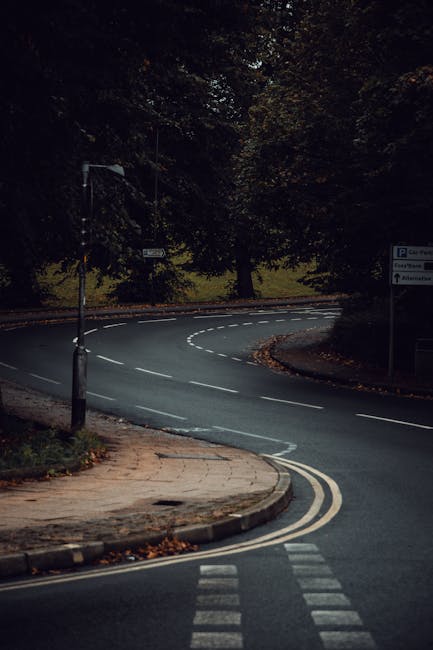
NW9 Moving Routes: Avoid Narrow Roads in Grahame Park
Posted on 22/05/2026
Moving in NW9 sounds straightforward until you meet the narrow roads, tight turns, parked cars, and awkward sightlines that can make a simple job feel twice as complicated. In Grahame Park, route choice is not just a planning detail; it can shape the whole moving day. The right route helps a van arrive on time, reduces the chance of damage, and keeps the move calm rather than chaotic. The wrong one can leave you sat behind a blocked bend, watching the clock, and thinking, well, that could have been avoided.
This guide explains how to approach NW9 moving routes: avoid narrow roads in Grahame Park with a practical, local-first mindset. You'll learn why route planning matters, how professional movers think about access, what to check before the van sets off, and which mistakes tend to cause the biggest headaches. If you are moving a flat, a family home, a student room, or a few heavy pieces of furniture, the same principle applies: the road outside matters almost as much as the boxes inside.
For a broader look at planning a calm and efficient move, it can also help to read our guide to practical tips for a stress-free house move, especially if your move has a lot of moving parts.

Why NW9 Moving Routes: Avoid Narrow Roads in Grahame Park Matters
Grahame Park has the kind of local road network that rewards careful planning. Some streets are fine for a smaller removal van, but become awkward the moment there is oncoming traffic, a low-hanging branch, or a car parked on the inside of a bend. That is why avoiding narrow roads is not about being overly cautious. It is about matching the vehicle, the property access, and the road layout in a sensible way.
In practical terms, narrow roads can create four very ordinary but very annoying problems: delays, limited parking, difficult reversing, and higher handling risk for items such as wardrobes, sofas, beds, and appliances. If you are trying to move quickly, even a short bottleneck can throw the whole schedule off. And once one job runs late, the rest of the day tends to feel a bit wobbly.
There is also the human side. A move already brings noise, pressure, and plenty of little decisions. When the driver has to pause at every awkward junction or squeeze past a line of parked cars, stress rises fast. A better route keeps people focused on the move itself rather than on the street outside. That is especially helpful for families, older customers, and anyone moving out of a flat where access is already limited.
If your move includes bulky furniture, route planning matters even more. Our furniture removals in Grahame Park page is useful if you need help moving large items through tight local access points without turning the day into a wrestling match.
Expert summary: In a place like NW9, route planning is not just about speed. It is about choosing a path that protects your belongings, avoids unnecessary manoeuvring, and gives the crew room to work properly.
How NW9 Moving Routes: Avoid Narrow Roads in Grahame Park Works
The basic idea is simple: identify the safest and most practical access route before moving day, then use a vehicle and loading plan that fits that route. In reality, there are a few layers to it. A good mover will think about the size of the van, the width of the street, turning space, nearby parking restrictions, and the exact point where loading and unloading will happen.
The first step is usually a quick local assessment. That can be done by asking questions, checking the property location, or reviewing the street layout in advance. The aim is not to find the fastest route on a map; it is to find the route that is least likely to create a jam or force difficult reversing. Anyone who has tried to reverse a long van down a tight residential street will know why this matters. It is not fun. Not remotely.
Next comes vehicle selection. A larger removal vehicle may be efficient for a long-distance move, but it can be a poor fit for narrow access. In some cases, a smaller van or a two-trip approach works better than trying to force a larger vehicle into a space that clearly does not want it there. That is where services like man with a van in Grahame Park or a flexible removal van in Grahame Park can make life much easier.
Then there is the loading strategy. If the van cannot park directly outside, crews may need to use carrying routes from a safer nearby stopping point. That changes the order in which items are loaded, because the heaviest or most fragile items should be planned carefully. For example, a piano or large fridge should not be treated like a last-minute add-on. If you are moving specialist items, the route and handling plan need to work together.
For delicate or high-value items, it is worth reading about piano removals in Grahame Park and professional piano moving, because access planning and handling discipline matter a great deal with those jobs.
Key Benefits and Practical Advantages
The biggest benefit is pretty obvious: fewer problems. But there are several specific advantages to choosing routes that avoid narrow roads in Grahame Park.
- Reduced chance of delays: A cleaner route helps the crew arrive and depart without getting trapped behind a bottleneck.
- Less risk of accidental damage: Fewer tight manoeuvres means fewer chances of scraping walls, gates, mirrors, or the vehicle itself.
- Better loading efficiency: If the van can park sensibly, loading is faster and more controlled.
- Lower stress: People work better when they are not trying to solve a parking puzzle at the same time.
- Improved safety: Less reversing and fewer awkward carries can reduce the chance of trips, strains, or dropped items.
There is also a financial angle, although it is not always dramatic. A smoother route can help avoid extra time on site, and time matters when you are paying by the hour or coordinating multiple jobs in a day. It can also reduce the likelihood of avoidable damage claims or the need for a second visit. That said, route planning is not a magic trick. It just removes a lot of friction. Which, to be fair, is exactly what most people need on moving day.
Some customers use the move as a chance to simplify what they own. If that sounds like you, a good read is decluttering solutions for a cleaner move. Fewer items often means fewer trips, lighter handling, and less pressure to squeeze everything through a difficult street.
Who This Is For and When It Makes Sense
This approach makes sense for almost anyone moving in or around Grahame Park, but some people benefit more than others.
Homeowners and tenants with limited access
If your road is narrow, your driveway is small, or there is no reliable parking outside, route planning is essential. It is even more important if you live on a busy residential street where cars are parked on both sides.
Flat movers
Flat moves often involve stairwells, shared entrances, and limited stopping space. If you are relocating from a top-floor flat, every extra metre between the van and the front door matters. Our flat removals in Grahame Park service is designed with that kind of access challenge in mind.
Students and short-notice movers
Student moves can be quick and a bit messy. There is usually less furniture, but there can still be awkward bags, boxes, and narrow access around shared housing. If timing is tight, a route that avoids unnecessary complications is worth more than shaving a minute off the map time. See also student removals in Grahame Park and same-day removals in Grahame Park if you need a fast turnaround.
Anyone moving bulky, fragile, or heavy items
Large sofas, mattresses, white goods, and musical instruments all benefit from a planned access route. When you have a heavy item to carry, a narrow road is not just inconvenient; it can increase the handling risk before the item even reaches the van. Helpful preparation guides include tips for transporting your bed and mattress and storage advice for sofas.
Step-by-Step Guidance
Here is a simple way to plan a move around narrow roads in Grahame Park without overcomplicating it.
- Check your exact address access. Look at both ends of the journey, not just the destination. A road that looks fine on a map can still be awkward in person.
- Identify any obvious pinch points. Think parked cars, low branches, tight bends, speed cushions, and one-way restrictions.
- Decide where the van can stop safely. It does not always have to stop directly outside. Sometimes a nearby legal stopping point is the smarter option.
- Match the vehicle to the street. A smaller van may be the better fit if the road layout is tight. Bigger is not always better, despite what people assume.
- Plan the loading order. Put the heaviest and most awkward items in first, then work through boxes and lighter items. If you need help with sequencing, our packing efficiency guide is a practical companion.
- Prepare the property. Move loose obstacles, protect flooring where needed, and make sure keys, parking notes, and access codes are ready.
- Keep a backup route in mind. If one approach is blocked, have a second option in reserve. It sounds obvious, but under pressure people forget.
- Communicate clearly with the moving team. If there is a tricky turning point or a road you know to avoid, say so early. A five-minute conversation can save half an hour later.
If you are moving contents into storage before or after the main move, it can also help to plan the route around the storage stop. Our storage in Grahame Park page explains how temporary storage can ease timing issues when access or handover dates do not line up neatly.
Expert Tips for Better Results
Small decisions make a big difference here. That is the honest truth.
- Scout the street at the same time of day as the move if possible. A road can feel fine at 9 a.m. and completely different by school-run time or early evening.
- Use a realistic vehicle size. Oversizing the van is a classic mistake. People think it saves trips, then spend the day negotiating corners.
- Avoid relying only on digital maps. Maps are useful, but they do not always show temporary parking issues, local congestion, or awkward roadside clutter.
- Disassemble bulky furniture before moving day. A dismantled bed frame or table is far easier to move through tight access. If that applies to you, see our bed and mattress transport tips.
- Protect items that are difficult to repack. A sofa that has to be re-wrapped three times because the route is messy is wasting everyone's time. The same goes for appliances.
- Keep one person free for access support. Someone who can guide the driver or watch for incoming traffic is surprisingly useful.
A slightly old-fashioned but effective tip: take a short walk from the property to the nearest wider turning point before the move. It helps you see the route from a pedestrian perspective, and sometimes that is where the problem becomes obvious. A van can look like it will fit; then you stand there, half squinting, and realise it really, really won't.
For moves involving heavier lifting, our guide on becoming proficient in solo heavy lifting and the broader ideas in kinetic lifting techniques can help you understand how good handling reduces strain when access is tight.
Common Mistakes to Avoid
The biggest mistakes are usually simple, which is why they are so easy to repeat.
- Assuming the shortest route is the best route. It often is not. A slightly longer road with better access can be far quicker overall.
- Forgetting about parking rules or resident bays. A vehicle that cannot stop legally or safely is not helping anyone.
- Leaving route decisions until the van is already on the way. That is how avoidable stress creeps in.
- Trying to force a large vehicle into a space built for smaller traffic. This is one of those ideas that sounds efficient right up to the point it becomes not efficient at all.
- Not telling the movers about local quirks. Shared gates, low walls, narrow entries, and blind corners are worth mentioning.
- Underestimating how much time carrying takes. Even a short walk from a safe stopping point adds up when there are several heavy items.
Another common issue is poor packing. If boxes are awkwardly loaded, the team may need to repack on the fly, which slows everything down. If you want to avoid that, have a look at packing and boxes in Grahame Park and the practical guide to maximizing packing efficiency.
Tools, Resources and Recommendations
You do not need a complicated toolkit to plan a sensible moving route, but a few simple resources help a lot.
- Street view and map checks: Useful for seeing width, corners, and obvious access issues in advance.
- Property measurements: Door widths, stair turns, and lift sizes matter more than people expect.
- Parking information: Resident zones, single yellow lines, and loading restrictions need checking early.
- Furniture dimensions: A sofa or wardrobe that fits in the van may still struggle at the property entrance.
- Protective materials: Blankets, straps, wraps, and floor protection all become more useful when the access route is awkward.
If you want a fuller view of the kind of support available locally, our services overview and removal services in Grahame Park pages are good starting points. For people comparing options, the page on removal companies in Grahame Park may also be useful.
For customers who want a lower-friction, practical service with local knowledge, a page like man and van in Grahame Park is often a good fit for smaller or access-sensitive moves. It gives you flexibility without overcommitting to a vehicle that is too big for the street.
Law, Compliance, Standards, or Best Practice
Moving home is not the same as running a regulated public transport service, but there are still important rules and good-practice expectations to follow. These include safe driving, legal parking, sensible loading, and proper care for people and property. In residential areas, crews should avoid blocking driveways, emergency access, or crossing into unsafe stopping positions just to save a few minutes.
From a practical standpoint, good movers will also think about insurance, risk reduction, and staff safety. That matters when access is tight because the chance of slips, bumps, and strain increases if the route is awkward. For more detail on this side of the job, see insurance and safety and the company's health and safety policy.
If parking or loading requires temporary roadside use, the safest approach is always to follow local rules and use lawful stopping points. If anything looks uncertain, it is better to ask questions before the move than to improvise under pressure. That is not being fussy; it is good practice. The same careful mindset also applies to payment, terms, and expectations, so the move stays predictable from start to finish.
Options, Methods, or Comparison Table
Here is a simple comparison of common moving approaches when narrow roads are part of the picture.
| Approach | Best For | Strengths | Limitations |
|---|---|---|---|
| Large removal van | Big homes with accessible roads | Fewer trips, good for volume | Can struggle on tight streets and awkward turns |
| Smaller van or man and van | NW9 streets with limited access | More flexible parking and manoeuvring | May need more than one trip for larger loads |
| Split load with storage stop | Moves with timing gaps or access issues | Reduces pressure on a single day | Requires extra coordination |
| Full-service removal crew | Complex, bulky, or high-value moves | More hands, better handling, less stress | Usually less flexible on budget than a small self-managed move |
There is no one right answer for every household. A student move from a flat near narrow residential roads may be ideal for a smaller vehicle, while a family home with a lot of furniture might need a more structured service. If you are comparing options, our house removals in Grahame Park page shows how larger moves can be organised around local access issues.
Case Study or Real-World Example
Imagine a straightforward two-bedroom flat move in Grahame Park. The property is on a road with parked cars on both sides, and the turning space outside the building is limited. On paper, the nearest route looks fine. In practice, the van would need to reverse around a bend and stop in a place that blocks other traffic. Not ideal.
Instead, the move is planned from a nearby wider point. The team checks the access beforehand, agrees where the van can wait, and splits the loading so the biggest items are ready first. The sofa, mattress, and a couple of heavy boxes are wrapped and carried in one planned sequence, not dragged about in the wrong order. The result is calmer, quicker, and much less awkward for everyone involved. Nothing dramatic. Just sensible planning doing what sensible planning does.
That sort of move often benefits from preparation advice too. If you are at the stage of deciding what stays, what goes, and what can be packed early, the article on decluttering solutions is a strong companion piece. It helps reduce load volume before the van even arrives.
Practical Checklist
Use this checklist before moving day. It keeps things grounded and saves those last-minute "oh no, we forgot that" moments.
- Confirm the full address and any access notes.
- Check whether the route includes narrow roads, tight corners, or parking restrictions.
- Measure bulky items and compare them with doorways and stair turns.
- Decide where the van can stop safely and legally.
- Tell the moving team about low walls, gates, shared entrances, or steep drive access.
- Pack fragile items securely and label them clearly.
- Prepare keys, codes, and any building access details.
- Keep a contact number ready for the driver or crew.
- Have a backup plan if the first stopping point is unavailable.
- Review whether storage, packing help, or specialist lifting support is needed.
If your move also involves end-of-tenancy handover, it is worth checking essential cleaning tasks before handing over the keys. A tidy property and a well-planned route tend to go hand in hand, oddly enough.
Conclusion
NW9 moving routes are about more than directions. In Grahame Park, avoiding narrow roads can save time, protect belongings, and reduce the sort of small moving-day problems that quickly become big ones. A sensible route, the right vehicle, and a clear access plan make the whole job feel more manageable. That is the real goal. Not perfection. Just a move that runs smoothly enough for you to breathe a bit easier.
Whether you are moving a single room or a full household, the safest route is usually the one that makes the least drama. And honestly, that is a good rule for most things in life.
If you are planning a local move and want help choosing the right approach, from route planning to packing and lifting, the next step is simple.
Get a free quote today and see how much you can save.
For more about the team behind the service, you can also visit about us or explore removals in Grahame Park if you are ready to compare options.