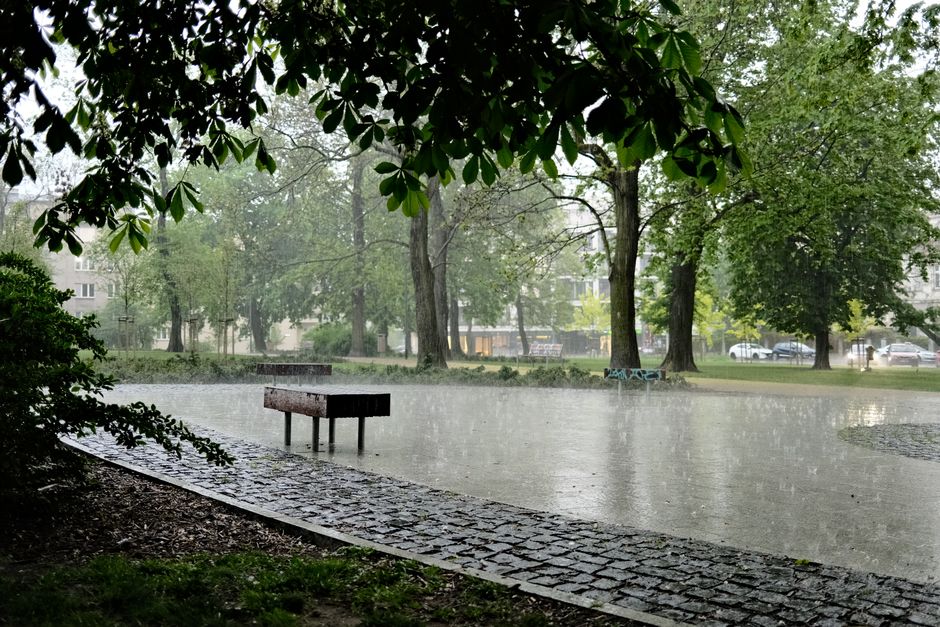
Rain proofing tips for Grahame Park removals and furniture safety

Rain has a habit of turning a straightforward move into a bit of a scramble. In Grahame Park, where access can be tight, loading bays may be busy, and the weather can change quickly enough to catch anyone out, protecting your belongings from water is not something to leave until the van doors are already open. The right rain proofing tips for Grahame Park removals and furniture safety can save upholstery, timber, electronics, and cardboard from the kind of damp damage that lingers long after moving day.
This guide is for anyone planning a move in NW9 who wants practical, realistic advice rather than vague "wrap it in plastic" talk. You will find step-by-step preparation, packing methods, furniture-specific protection, common mistakes, and sensible best practice for wet-day removals. A few small adjustments really do make a big difference. Truth be told, rain is less of a disaster when you've planned for it properly.
Table of contents
- Why rain proofing matters
- How rain proofing works in a removal
- Key benefits and practical advantages
- Who this is for and when it makes sense
- Step-by-step guidance
- Expert tips for better results
- Common mistakes to avoid
- Tools, resources and recommendations
- Law, compliance, standards, or best practice
- Options, methods, or comparison table
- Case study or real-world example
- Practical checklist
- Conclusion
- Frequently asked questions
Why rain proofing tips for Grahame Park removals and furniture safety Matters
Rain matters because most household items do not cope well with moisture, even for a short time. Cardboard weakens fast, fabric holds damp, untreated wood can swell or stain, and metal fittings can start to show signs of corrosion if they sit wet for too long. Add in a busy removal day, the stop-start rhythm of loading, and the odd slip hazard on wet paving, and you can see why planning ahead is worth the effort.
In Grahame Park, that matters even more because local moves can involve communal entrances, stairwells, shared walkways, lifts, and short carrying distances where you may still need to cross open air. One minute the sky looks fine; the next, there's a fine mist that soaks the top of an open box. It happens. The fix is not complicated, but it has to be thought through before the first item leaves the room.
Furniture safety is part of the same story. A sofa can absorb damp from the base, a mattress can pick up moisture at the seams, and a wardrobe panel can chip if protective wrapping slips during a wet carry. Once that happens, the problem is not just cosmetic. Damp and impact damage can reduce the lifespan of your furniture, create smells, and make reassembly more awkward than it should be.
There is also a practical human side to it. Wet removals take longer if people have to keep stopping to dry handles, re-wrap items, or mop a floor near the front door. Nobody wants that. A bit of preparation keeps the move calmer, safer, and frankly less annoying for everyone involved.
How rain proofing tips for Grahame Park removals and furniture safety Works
Rain proofing is simply a layered protection system. You do not rely on one thing. Instead, you create a chain of small defences that reduce the chance of water reaching your belongings, and reduce the damage if it does.
At the start of the chain is timing. If the weather forecast suggests showers, you load the most vulnerable items first or protect them before anything else is moved. Then comes packaging: strong boxes, sealed linings, padded covers, and waterproof outer layers where needed. After that, you manage the route from property to van, because the short outdoor stretch is where most problems happen. Finally, inside the van, you keep things separated from the floor and from any item that may still be carrying damp.
That might sound overly cautious, but in practice it is quite ordinary. A removal team that works in all weather usually builds these habits in without fuss. The difference with a self-move is that you need to think like a crew for a day: protect, carry, load, check, repeat.
And yes, the van itself matters. A clean, dry loading area with blankets, straps, and a sensible arrangement makes a big difference. If the van floor is wet, even a wrapped box can get moisture from underneath. Small detail, big effect.
Key Benefits and Practical Advantages
Rain proofing is not only about avoiding disaster. It also makes the whole move smoother. Here are the main practical benefits:
- Reduced water damage: Boxes, soft furnishings, and timber pieces stay in better condition.
- Less chance of staining or mould: Damp fabrics and cardboard are much more likely to pick up odours or mildew.
- Safer handling: Dry, well-wrapped items are easier to grip and less likely to slip.
- Faster unloading: You spend less time re-drying, replacing, or re-packing things at the destination.
- Better furniture longevity: Your sofa, mattress, tables, and wardrobes arrive ready to use rather than needing urgent repairs.
- Lower stress: You are not watching the sky every two minutes and wondering if your book boxes are going to collapse.
There is a quieter benefit too: rain proofing helps you feel in control. Moving is already one of those life events where little things can snowball. If your basics are covered, the rest feels much more manageable.
Practical takeaway: the cheapest protection is usually the one you put in place before the weather turns. After it starts raining, every fix gets slower and messier.
Who This Is For and When It Makes Sense
This advice is useful for almost anyone moving in or out of Grahame Park, but it is especially relevant if your move includes any of the following:
- large upholstered items such as sofas, armchairs, or ottomans
- mattresses and bed frames
- flat-pack furniture or items that can swell when damp
- boxes of books, documents, and electronics
- properties with shared access, external stairs, or limited shelter
- moves scheduled during autumn, winter, or the famously unpredictable British summer
- urgent or same-day removals where you do not have much time to overthink it
If you are moving a single sofa, rain protection still matters. If you are moving a whole house, it matters even more. The more items you have, the greater the chance that one awkward box or one damp corner becomes a problem later.
It is also worth considering rain proofing if you are combining moving with storage, because items can arrive at a unit already carrying moisture. A useful example is furniture that has been wrapped too tightly while slightly damp. That is how the smell starts. Not dramatic, just unpleasant and avoidable.
For people arranging broader move planning in the area, related guidance such as a Grahame Park moving checklist or choosing the best weekday for your move can also help reduce pressure on the day. Less traffic, less waiting, fewer items standing outside in the rain. Simple enough.
Step-by-Step Guidance
Here is a practical wet-weather process you can follow. It works whether you are doing the move yourself or using a removal team.
1. Check the forecast, then plan around the worst hour
Do not just look at the icon that says "rain." Check when the rain is expected, how heavy it may be, and whether there is a dry window for loading. If showers are likely later in the day, try to move the most delicate items early. If the rain will start in the morning, keep your boxes inside until you have a protected loading path ready.
2. Prepare a dry loading route
Think from front door to van. Can you use a covered entrance, a porch, a lobby, or a sheltered parking position? If not, use temporary protection like tarpaulins, moving blankets, or a canopy where practical. The goal is not perfection. The goal is less exposure time.
3. Pack vulnerable items in layers
For boxes, use a strong base box and line it with a bin liner or waterproof bag if the contents are sensitive. Seal the top properly. For books and papers, keep them tightly packed so they do not shift and absorb damp air. For electronics, use the original packaging if you still have it. If not, double-wrap with padding and keep them away from outer walls and open doorways.
4. Use the right wrapping for furniture
Sofas, mattresses, and wooden furniture should not just be thrown under one thin plastic sheet and hoped for. That is the sort of thing that looks fine for ten seconds and then slips off during the first carry. Use furniture covers, stretch wrap, padded blankets, and tape only where appropriate. A breathable cover can be useful for some items, but in wet conditions you often need a water-resistant outer layer as well.
5. Keep the floor and van dry
Lay blankets, cardboard, or protective sheeting in the van so furniture is not sitting on a damp surface. If the vehicle has already picked up moisture, dry it before loading. It sounds obvious, but on a rainy day obvious things get missed. Human beings are funny like that.
6. Load strategically
Put the most water-sensitive items in the driest, most protected part of the vehicle. Heavy items should be secured so they do not shift into wrapped furniture. Try to avoid stacking wet outer items against soft furnishings. If a tarp or cover has become soaked, do not trap that moisture against upholstery for the entire journey.
7. Unload quickly, but carefully
At the destination, aim to move wet outer wrapping off as soon as practical while keeping the items protected until they are inside. Check for damp patches before placing furniture against fresh walls or clean flooring. If something feels damp, air it out rather than closing the door on the problem and hoping for the best. That approach rarely ages well.
8. Inspect everything after delivery
Open boxes, dry surfaces, and check fabric seams, drawer bottoms, and hidden corners. Look for faint water marks, softness in cardboard, or a musty smell. Catching moisture early makes it easier to fix, and sometimes it is just a matter of airing an item near a radiator rather than dealing with long-term damage.
Expert Tips for Better Results
There are a few small habits that separate an average wet-day move from a good one.
- Pre-wrap before the rain starts. If you wait until the first shower begins, you are already behind.
- Use zip bags for small hardware. Screws, cables, and fixings can disappear or rust surprisingly quickly if left loose in damp boxes.
- Keep one "clean dry" kit separate. Towels, cloths, tape, and a spare cover should be easy to grab at a moment's notice.
- Leave a little breathing room. Over-wrapping can trap moisture if items are packed away while still slightly damp.
- Protect corners first. The corners and edges of furniture get hit the most during carrying, especially if the path is narrow or the rain makes people hurry.
- Use colour-coded labels. This sounds small, but it stops wet boxes from being opened and re-sealed unnecessarily.
One thing we often see in real moves is overconfidence with cardboard. It's a lovely material, but rain and cardboard are not friends. If a box contains anything you truly care about, give it a better outer layer than "that should be fine."
If your move also involves fragile or high-value items, services like packing and unpacking support can take a lot of the uncertainty out of the day. And for bulkier pieces, a wider move plan with professional removal services can make rain protection far more reliable than a last-minute DIY scramble.
Common Mistakes to Avoid
Wet-weather moves usually go wrong in the same handful of ways. Knowing them in advance helps more than any fancy product.
- Leaving boxes outside "just for a minute." That minute is often enough.
- Using thin bin bags as the only protection. They tear, slide, and trap air in awkward ways.
- Wrapping damp items too tightly. You may protect them from more rain, but you can also trap moisture inside.
- Forgetting the route from building to van. Most water damage happens during the carry, not during the drive.
- Not checking the van floor. A clean vehicle matters more than people think.
- Loading soft items underneath wet hard items. That is a recipe for staining and compression damage.
- Ignoring slip risks. Wet surfaces can be dangerous, especially with heavy furniture or stairs involved.
Another mistake is assuming a small move does not need proper preparation. In reality, smaller moves sometimes get less attention and therefore more mistakes. Less staff, less time, fewer hands - you know how it goes.
If you are comparing different move types, it can help to read about broader options such as man and van removals or house removals so you can judge which setup gives your belongings the best protection in poor weather.
Tools, Resources and Recommendations
You do not need a van full of specialist equipment, but the right few items make a big difference. Here is a sensible kit for rain proofing a move in Grahame Park:
- sturdy double-walled boxes for heavier or more valuable items
- plastic storage bags or liners for soft contents and paperwork
- furniture blankets and padded covers
- stretch wrap for stabilising covers on suitably wrapped items
- strong tape, labels, and marker pens
- non-slip gloves for carrying in wet conditions
- old towels or microfibre cloths for quick drying
- tarpaulins or waterproof sheeting for short exposed carries
- a doormat or temporary floor protector near entrances
For larger or more awkward items, especially bulky furniture, it can also be worth checking whether furniture pick-up or a suitable moving van option fits your move better than trying to squeeze everything into a smaller setup.
One practical note: not every plastic wrap is useful in the same way. Some wrapping protects against splashes and drizzle; some is better for holding blankets in place; some is better for short-term moisture resistance. If you are unsure, ask for help before the day rather than improvising with whatever is left in the kitchen drawer.
Law, Compliance, Standards, or Best Practice
Rain proofing itself is mostly best practice rather than a legal requirement, but the wider removal process still needs to be carried out safely. That means thinking about safe lifting, clear access routes, secure loading, and reducing the chance of slips or trips. In shared residential settings, it is also wise to be considerate of communal areas and any building rules around access, protection of floors, or use of lifts.
In the UK, reputable movers usually follow sensible health and safety procedures, and customers should expect basic care around handling, vehicle loading, and item protection. If you are hiring help, it is reasonable to ask what protection methods they use in wet conditions, how they secure furniture, and what happens if the weather turns during the move. That is not being difficult. That is just sensible.
Insurance is another important point. Wet weather can expose weak packaging, poor handling, or delayed reporting of damage. If you are using a professional service, it is wise to check the provider's approach to cover and claims handling before moving day. A little clarity upfront can save a lot of back-and-forth later. For general reassurance, you can review the company's insurance and safety information and their health and safety policy.
Best practice also includes proper planning for parking, access, and timing. In some parts of Grahame Park, it may be worth factoring in permit or access considerations, especially if the vehicle needs to wait near a busy street or shared entrance. Wet conditions can magnify small delays. Five minutes of waiting can turn into a damp box problem before you know it.
Options, Methods, or Comparison Table
Not every move needs the same level of rain proofing. The right method depends on item type, budget, and how much time you have. Here is a simple comparison to help you choose.
| Method | Best for | Strengths | Limitations |
|---|---|---|---|
| Basic plastic wrapping | Short carries, light items, quick protection | Cheap, fast, easy to use | Can slip, trap moisture, and offers limited impact protection |
| Blankets plus outer wrap | Sofas, tables, wardrobes, and mixed household furniture | Good cushioning and better rain resistance | Takes longer to apply and can be bulky |
| Sealed box lining | Documents, books, small electronics, soft goods | Helps stop moisture entering through cardboard | Still depends on box strength and handling |
| Full professional packing | Busy households, fragile items, time-pressured moves | Most reliable, less stress, better organisation | Usually costs more than self-packing |
If you are choosing between doing it yourself and bringing in help, think in terms of risk, not just cost. A cheap solution that fails in the rain is not really cheap. That sounds obvious, but it is easy to forget when you are trying to keep the day moving.
Case Study or Real-World Example
Here is a realistic example from a typical Grahame Park move. A small family was moving from a first-floor flat into a nearby house on a day with heavy morning showers and a dry patch forecast for late afternoon. Their main concern was a fabric sofa, two mattresses, several boxes of books, and a dining table with removable legs.
Rather than waiting for perfect weather - which, let's be honest, is a dangerous game in London - they prepared the furniture the evening before. Mattresses were covered in protective sleeves, the sofa was wrapped in blankets and then an outer waterproof layer, and books were packed into smaller boxes so no single box became too heavy or too soft when damp.
On the day, they set a dry staging area just inside the entrance, laid extra cloths near the door, and moved the vulnerable items during the driest window they could get. The van was lined with blankets, and the dining table legs were bagged together so no fixings were lost in the wet. Nothing dramatic happened. That is the point. The move felt ordinary, which is usually a sign that the planning worked.
They still had to dry one box edge that caught a bit of rain during loading, and one blanket got wetter than planned. But because the whole process had been thought through, the issue was small instead of turning into a headache. Small win. Big relief.
Practical Checklist
Use this quick checklist the day before and the morning of your move.
- Check the weather forecast for your loading and unloading window.
- Prepare covers, wraps, blankets, tape, and cloths in one easy-to-grab place.
- Pack books, documents, and electronics in strong boxes with moisture protection.
- Wrap sofas, mattresses, and wooden furniture before moving day if rain is likely.
- Clear the route from the property to the vehicle.
- Lay dry protection in the van before loading begins.
- Keep a towel or cloth ready for quick wipe-downs.
- Load the most delicate items into the driest section of the vehicle.
- Keep wet outer covers away from exposed fabric where possible.
- Inspect items immediately after unloading.
- Air anything that feels damp straight away.
- Take photos of any visible moisture or damage if you need to report it.
Quick summary: protect early, carry fast, keep the route dry, and do not let damp sit unnoticed once the move is over. That is the whole game, really.
If you are still planning the wider move, it may help to review your overall costs and options through pricing and quotes so you can match the level of service to the level of protection you want.
Get a free quote today and see how much you can save.
Conclusion
Rain proofing a removal in Grahame Park is not about obsessing over the forecast or buying every possible cover. It is about sensible preparation that protects your furniture, keeps your boxes dry, and makes the day less stressful than it could be. A few layers of thought now can save you from water damage, awkward delays, and that sinking feeling when a cardboard box starts to go soft in your hands.
If you remember nothing else, remember this: keep the route short, keep the van dry, wrap the vulnerable items properly, and check everything as soon as it arrives. That little bit of care goes a long way, especially on a wet London day. And when the move is over and the kettle is on, you will be glad you did it properly.
It does not have to be perfect. It just has to be prepared.
Frequently Asked Questions
What are the most important rain proofing tips for Grahame Park removals and furniture safety?
The most important tips are to wrap vulnerable furniture before moving day, protect the route from the property to the van, keep the van floor dry, and inspect items immediately after unloading. Those four steps prevent most common wet-weather problems.
How do I protect a sofa during a rainy move?
Use furniture blankets first, then a suitable outer waterproof cover or wrap that stays in place during carrying. Focus on the arms, base, and seams, because those areas pick up moisture and scuffs quickly.
Can cardboard boxes survive light rain?
Only for a very short time, and even then it is risky. Light rain can weaken cardboard quickly, especially at the base and corners. If the box contains anything valuable or delicate, add a waterproof liner or move it under cover as soon as possible.
Should I wrap furniture tightly in plastic?
Not always. Tight wrapping can trap damp if the item is not fully dry, and it can also slip during lifting. A better approach is usually cushioning first, then a secure outer layer that protects without smothering the piece.
What furniture is most at risk from rain damage?
Upholstered sofas, mattresses, wooden furniture with unfinished edges, particleboard items, and anything with exposed fabric or paper backing are especially vulnerable. Even metal fittings can corrode if they stay damp long enough.
Is it better to move in the rain or wait for a dry day?
If you can choose, a dry day is easier. But a well-prepared rainy move is usually better than delaying indefinitely, especially if schedules, tenancy dates, or building access make waiting impractical. The key is preparation, not luck.
What should I do if a box gets wet during the move?
Move it somewhere dry straight away, open it if needed, and check the contents. If the contents are dry, let the box air out or repack it. If anything inside is damp, separate it and dry it properly rather than leaving it sealed in.
Do I need special equipment for wet-weather removals?
Not special in the fancy sense, but you do need the right basics: furniture blankets, waterproof coverings, packing tape, dry cloths, and a clean van. For more difficult moves, professional packing support can save a lot of hassle.
How can I keep mattress moving safe in the rain?
Use a mattress protector or sealed cover and avoid placing it directly on wet ground. Carry it with enough people to keep it steady, and get it into the van quickly. A mattress picks up moisture faster than people expect, and it can smell musty afterwards.
Does rain make a removal more expensive?
It can, depending on delays, extra packing materials, or the need for more careful handling. That said, the bigger cost is often hidden damage if protection is poor. Spending a bit more on the right setup usually saves money in the long run.
Are professional movers better for rainy-day protection?
They often are, because they bring experience, equipment, and a routine for wet conditions. But the quality of protection still depends on the mover's methods and planning. It is sensible to ask how they handle rain before you book.
What should I check after unloading in wet weather?
Check for damp patches, soft cardboard, water marks, and any musty smell. Look at seams, corners, undersides, and hidden areas. If something feels even slightly damp, let it air before putting it away.
Can I use old towels instead of furniture blankets?
For very small or short-term protection, towels can help, but they are not a full replacement for proper moving blankets. Towels absorb moisture and can shift around, so use them as a backup rather than the main defence.
What is the best first step if rain is forecast for my move in Grahame Park?
The best first step is to prepare your packing and access route before moving day. Wrap the most vulnerable items, get your protective materials ready, and think through the shortest dry path from the property to the vehicle. That one bit of planning changes everything.